ROAD & REFLECTION
The road does not always promise arrival.
Some paths are not designed to reward speed, clarity, or even purpose.They stretch forward without instruction, offering no guarantee except continuity. They do not announce where they lead, nor do they justify why they exist.
We have learned to approach movement as means to an end.Distance is evaluated by efficiency, by how quickly it delivers us to a place worth naming. Progress is measured in arrival. But there are journeys that resist this logic. They refuse to be reduced to transition.
They exist not to deliver us elsewhere, but to change how we move.
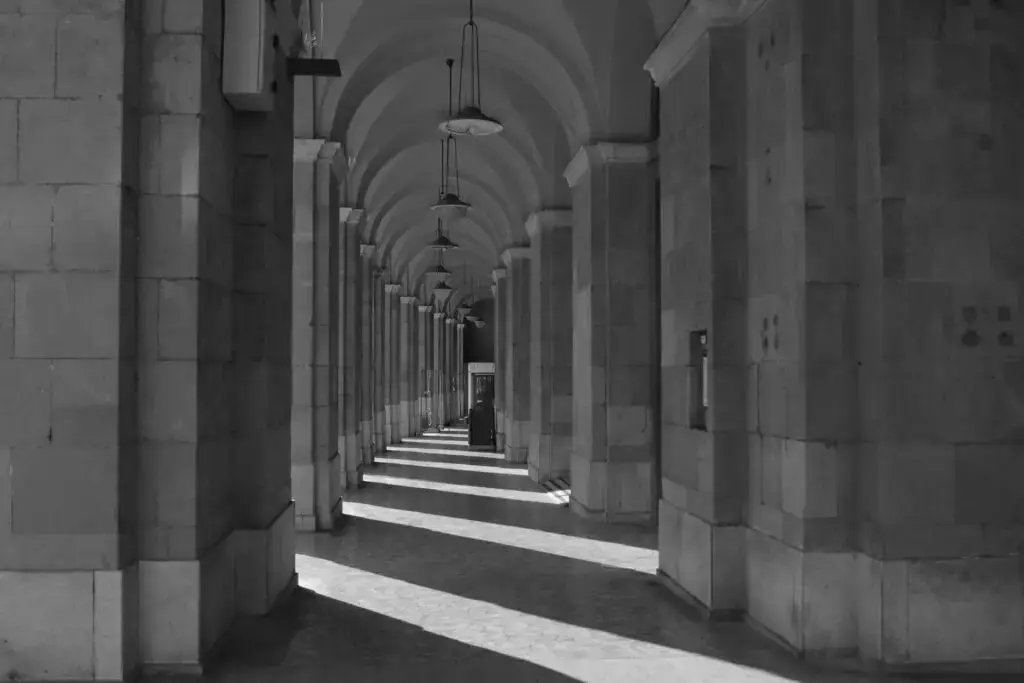
To walk without urgency is not to wander aimlessly.
It is to release the compulsion to extract value from every mile.
When movement no longer needs to justify itself, attention shifts. The body settles into rhythm. The mind loosens its grip on outcome.
Something begins to listen.
The ancient pilgrim understood this without explanation.The journey was not preparation for meaning. It was meaning, practiced step by step. Delay instructed patience. Repetition shaped humility. Distance was not an obstacle, but a teacher whose lessons arrived slowly.
Modern travel often forgets this.Movement becomes acquisition. Experience is gathered, documented, archived. The interval between departure and arrival collapses into a blur, and the space where formation once occurred disappears.
When passage is treated only as transition, there is no place for the inner life to take shape.
But when nothing is demanded, something else is given. Scale returns. Urgency loses its authority. The self is no longer required to perform progress.
Change begins without announcement.
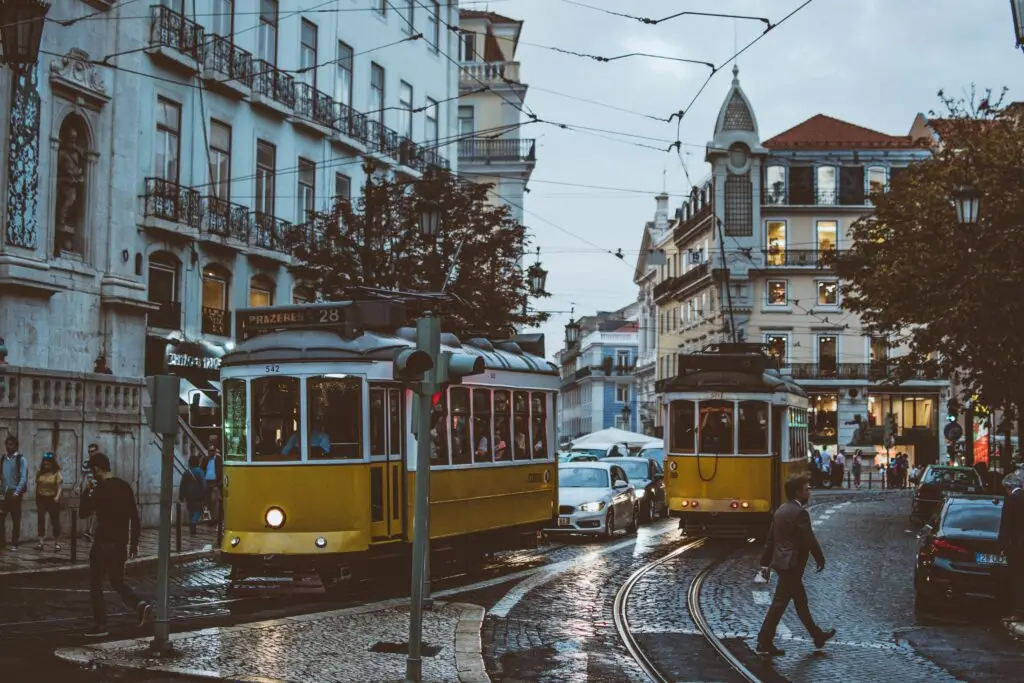
There is a discipline in continuing forward without certainty.To move without knowing what lies ahead requires trust—not in destination, but in attentiveness itself. This trust is not naïve. It is formed through restraint, through the willingness to remain present without extracting reassurance from the path.
Such journeys are found everywhere.In rural tracks worn smooth by centuries of feet. In landscapes where the horizon refuses to draw nearer. In unfamiliar cities entered without agenda. Even in daily routes repeated until novelty gives way to depth.
Nothing persuades.
Nothing explains.
Movement accompanies.
By the time arrival occurs—if it occurs at all—the traveler is no longer the same person who began. Not because something extraordinary happened, but because the act of moving without demand recalibrated the inner posture.
The self learned to wait.
To observe.
To endure.
Some journeys conclude with arrival.
Others conclude with recognition.
And the most enduring paths are those that never asked us to be anything more than present.