PRESENCE
Presence does not require invitation.
To be seen is not the same as seeking attention. One can occupy space without announcing oneself, move through public life without offering the self for consumption. Being seen without attention is a discipline—one that resists the modern expectation of constant visibility.
To be seen without attention is to carry oneself with proportion. Movement is measured. Speech is deliberate. The body does not compete for recognition. In this restraint, presence gathers weight.
This posture is not indifference. It is attentiveness directed inward before it is offered outward. The self is not withdrawn; it is grounded. In this grounding, others are encountered without urgency or intrusion.
Presence stabilizes when it is no longer performative.
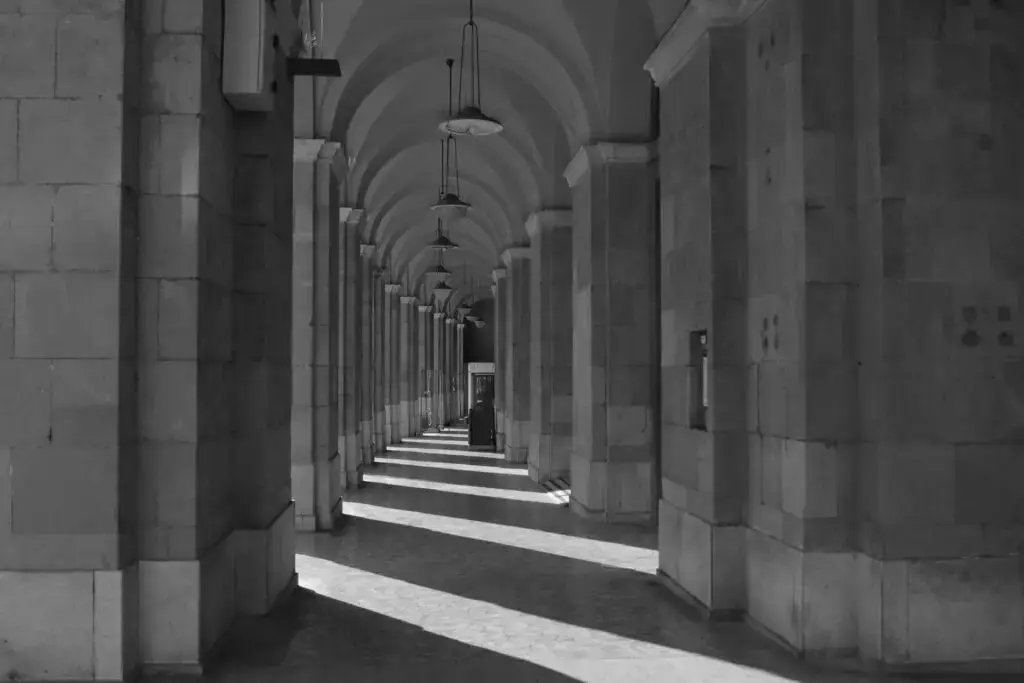
Visibility invites scrutiny. Availability invites encounter. Being seen without attention privileges the latter. It allows the self to remain open without being exposed.
Such presence often unsettles environments accustomed to spectacle. It interrupts the economy of performance by refusing its terms. Without effort, it establishes a different rhythm—one that values restraint over reaction.
Attention follows depth, not display.
Cultural traditions that emphasize dignity have long understood this. Composure signals self-possession. Reserve communicates clarity of boundary. What is not immediately offered retains the power to shape interaction.
Being seen without attention also protects the inner life. It reduces the pressure to respond, to impress, to maintain an image. The self remains free to listen, to observe, to act with intention rather than impulse.
Presence that does not perform can endure.
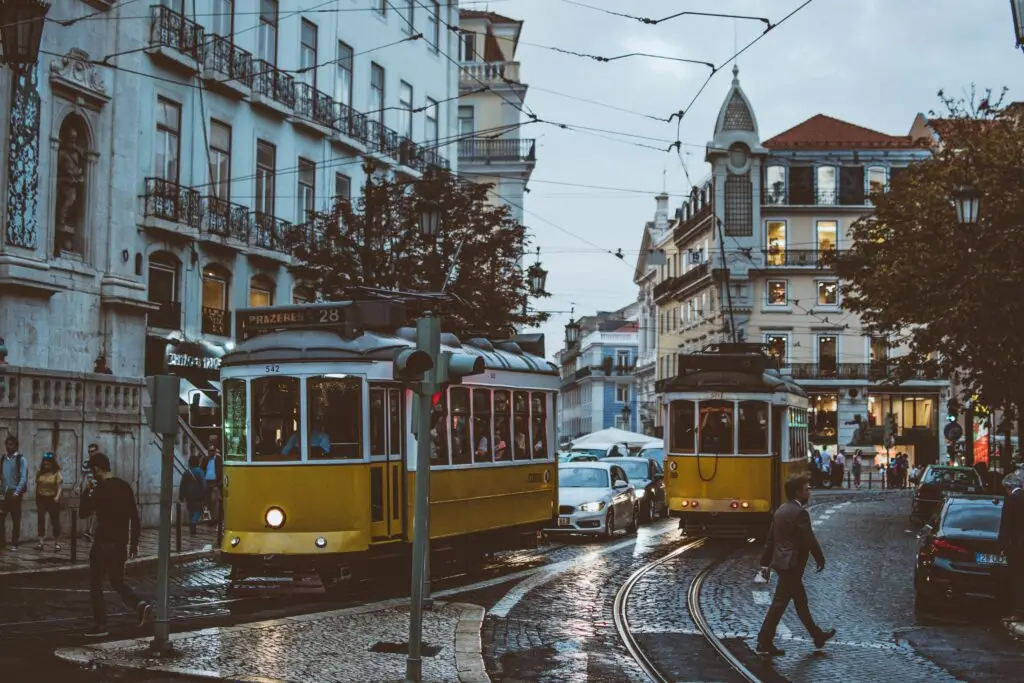
Over time, this posture cultivates trust. Others sense steadiness without being instructed to do so. Authority emerges quietly, not from assertion but from consistency.
To be seen without attention is to inhabit the world without asking it to confirm you.