DEVOTION
Some prayers are answered only by time.
Waiting is rarely chosen. It arrives when movement no longer produces clarity and words no longer carry weight. In such moments, prayer does not disappear; it changes its form. What remains is waiting—offered not as resignation, but as attention sustained.
To wait before God is to resist the instinct to resolve uncertainty quickly. It is to remain present when explanation does not arrive, when direction feels withheld, when silence stretches beyond comfort. This waiting is not empty. It is disciplined.
Waiting becomes prayer when it is held without demand.
Modern life treats waiting as failure. Delays are obstacles. Pauses are inefficiencies. Yet devotion matures precisely where urgency loosens its grip. In the absence of immediate response, the self is invited to trust without reassurance.
This is not passive patience. It is active endurance—the willingness to remain oriented toward God even when clarity is deferred. Waiting holds posture. It keeps attention turned in the right direction.
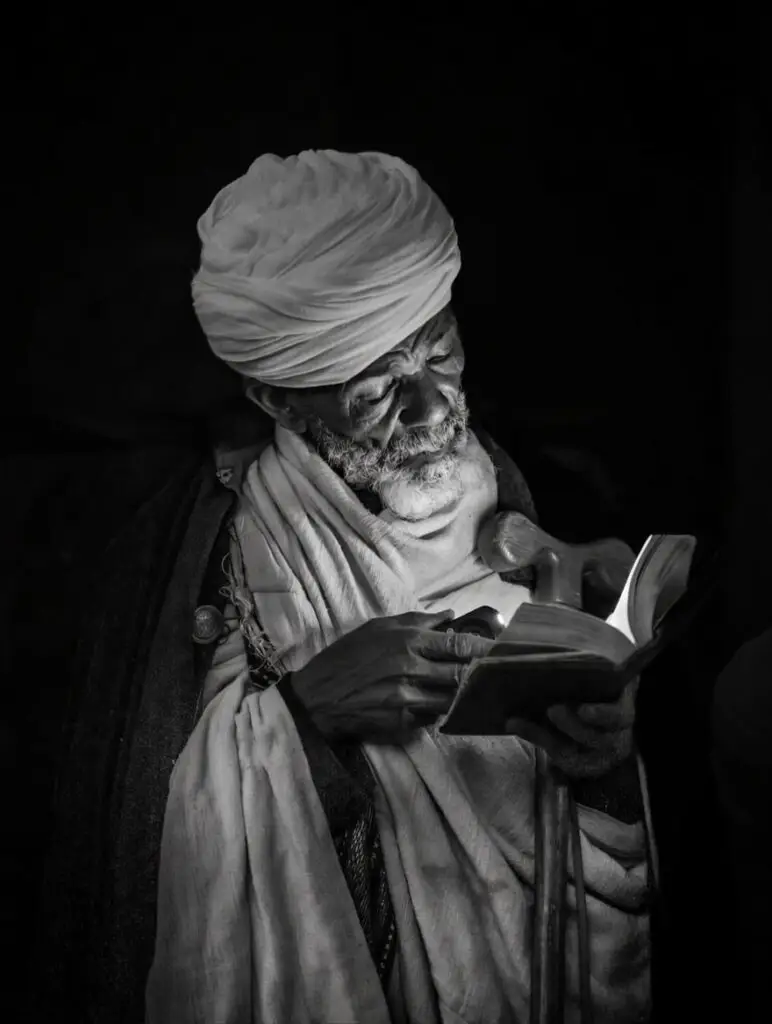
The temptation in waiting is to fill the silence.
Words multiply. Distractions intervene. The impulse to manufacture progress grows strong. But prayer shaped by waiting refuses these substitutes. It allows silence to remain intact, trusting that presence itself is sufficient offering.
Scripture and tradition return to this posture repeatedly—not as punishment, but as formation. Waiting refines intention. It reveals whether devotion depends on outcome or rests in faithfulness. When nothing happens, what remains becomes visible.
Waiting does not negate hope. It purifies it.
To learn to wait before God is to accept a slower rhythm of response. It is to recognize that some transformations occur beneath awareness, unfolding quietly beyond the reach of effort. The soul adjusts its expectations. Desire becomes steadier. Attention deepens.
In waiting, prayer learns to trust its own persistence.
There is dignity in remaining before God without resolution. It acknowledges that devotion is not transactional. It is relational. The relationship endures even when answers do not arrive.
Some prayers are not answered quickly because they are still forming the one who prays.