SANCTUARIES
Some spaces instruct the soul before words are spoken.
Stillness is often imagined as an interior state—something cultivated through effort or discipline. Yet stillness also has form. It is shaped by the spaces we enter, the materials that surround us, and the proportions that quietly govern movement and attention.
Architecture teaches before it explains.
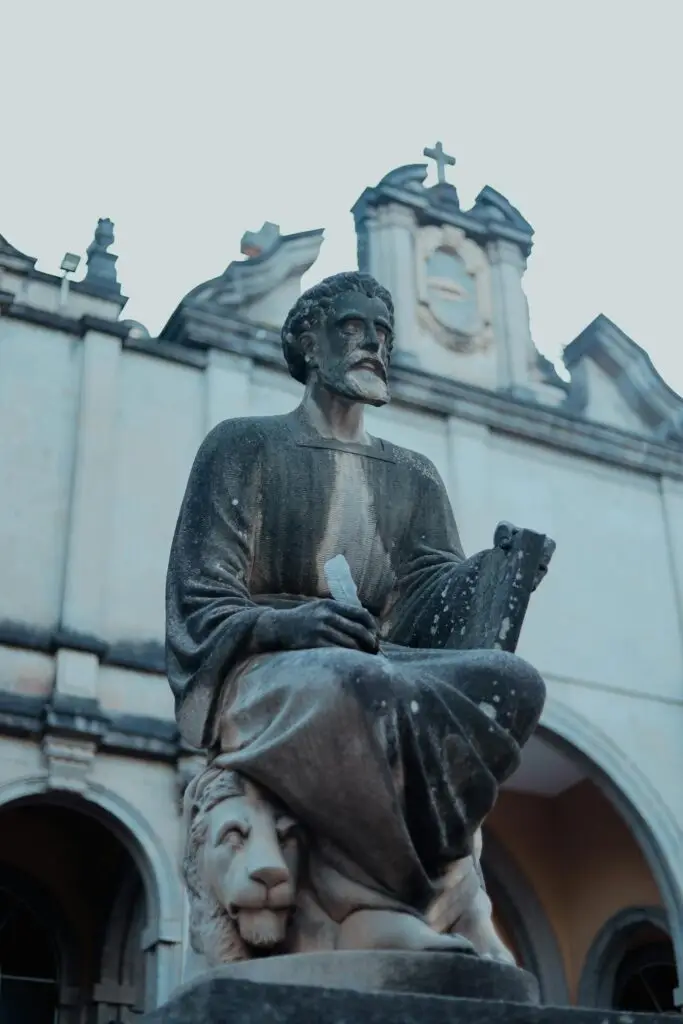
A sanctuary does not persuade. It receives. Its authority is established not through declaration, but through restraint. Light is filtered rather than displayed. Sound is absorbed rather than amplified. The body slows without instruction, responding instinctively to scale and silence.
Sacred space does not demand reverence. It makes it possible.
Across cultures and centuries, spaces devoted to prayer and contemplation share common instincts. They favor enclosure without confinement, openness without exposure. Walls are thick. Thresholds are deliberate. Time behaves differently within them.
In such spaces, stillness becomes physical. The body adjusts its pace. Breath lengthens. Attention gathers. This is not accidental. Sacred architecture is designed to form posture—both bodily and interior.
The soul learns stillness where the body is permitted to rest.
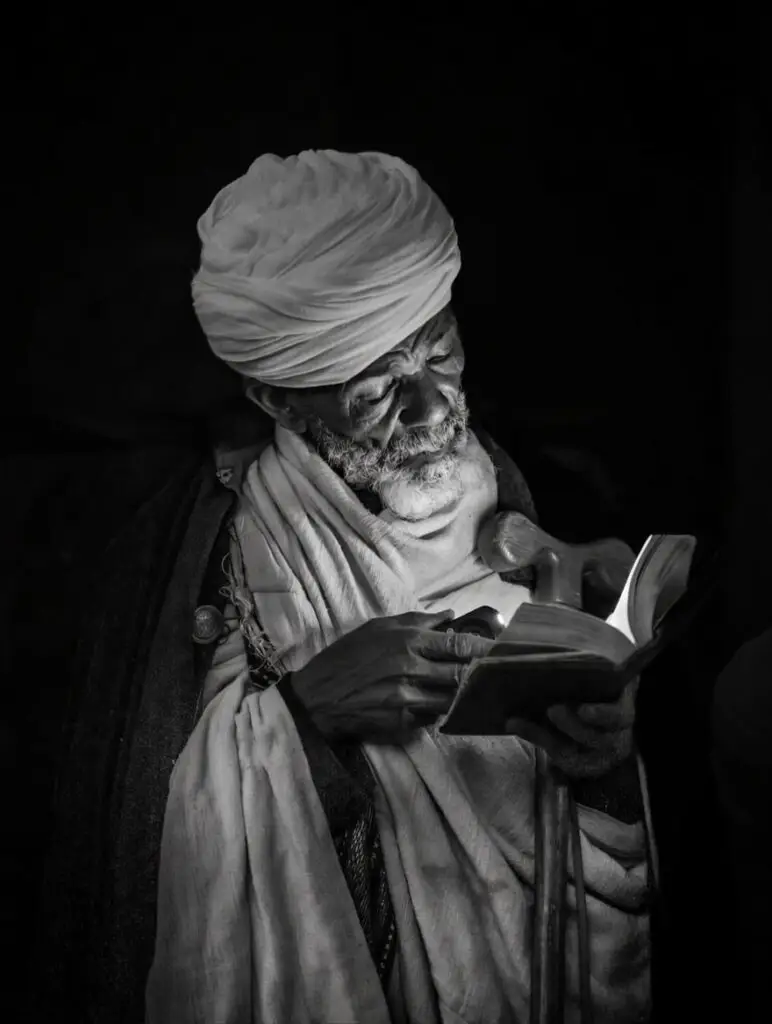
Light plays a central role. It does not overwhelm. It reveals slowly, tracing surfaces, marking hours, inviting patience. In sanctuaries, light is not decorative. It teaches the eye to wait.
Homes, too, can function this way. A room oriented toward quiet, a table that invites pause, a window that frames light without distraction—these are domestic sanctuaries. They carry the logic of sacred space into daily life, shaping the inner life through repeated exposure to calm proportion.
Stillness endures when it is given a place to live.
Modern environments often resist this formation. They are optimized for efficiency, visibility, and movement. Space becomes transitional rather than inhabitable. In such conditions, stillness must be fought for.
Sanctuaries offer an alternative. They do not reject the world; they reorder it. They remind the visitor that presence is learned through dwelling, not passing through.
To remain is to be shaped.
Sacred space teaches what effort alone cannot sustain.