PRESENCE
What we conceal shapes how we are received.
The veil has long been misunderstood as absence—as withdrawal, restriction, or denial. Yet psychologically, the veil does something else entirely. It organizes attention. It determines what is offered and what is held back. In doing so, it shapes presence.
To veil is not to disappear. It is to establish boundary.
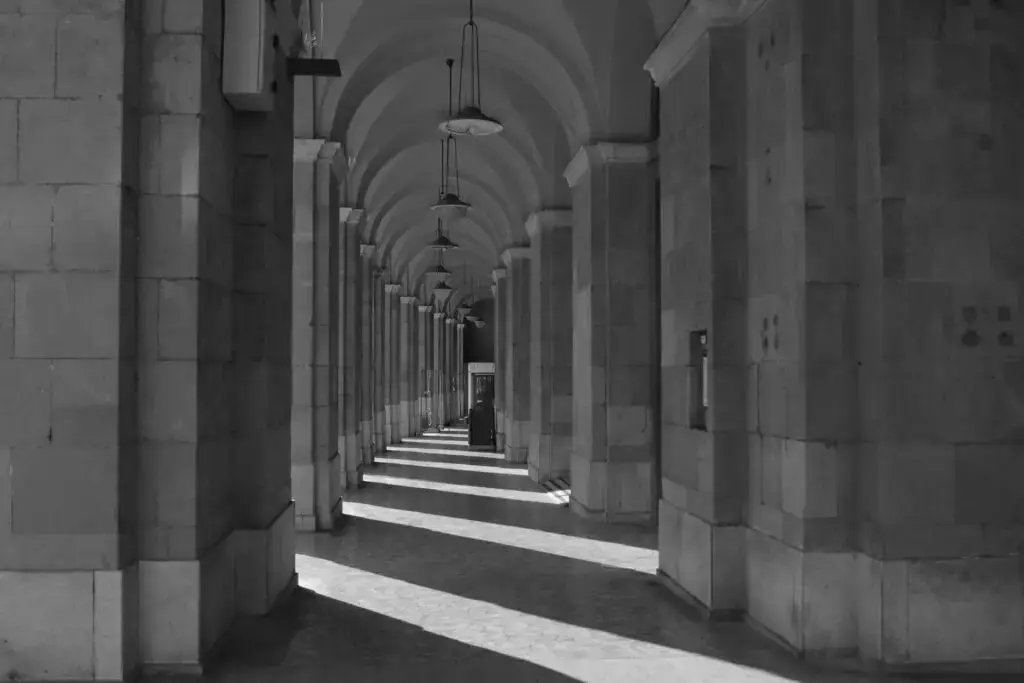
Modern culture encourages continual exposure. The self is urged to be visible, legible, and accessible at all times. Attention is currency, and availability is interpreted as authenticity. In this environment, modesty appears suspect, even evasive.
What is always exposed loses its ability to command respect.
The psychological veil resists this economy. It introduces distance—not to diminish connection, but to preserve depth. By withholding certain aspects of the self, presence becomes intentional rather than reactive. Attention is gathered rather than scattered.
Modesty, in this sense, is not moral performance. It is interior discipline. It protects the self from fragmentation by refusing constant display. The veil does not conceal worth; it preserves it.
Restraint allows presence to take shape.

The absence of boundaries creates anxiety. When nothing is reserved, the self becomes overextended, subject to evaluation and interruption. Modesty reintroduces proportion. It clarifies what is public and what remains interior, allowing the person to stand without being consumed.
In enduring traditions, veiling marks the body as meaningful rather than available. It becomes psychological architecture, shaping how one inhabits space and attention.
Modesty is not about hiding the body. It is about stabilizing the self.
This stabilization has quiet effects. Speech slows. Movement becomes deliberate. Presence acquires gravity. When the self is no longer performing for attention, it can attend to others without distraction.
The psychological veil also creates freedom. By limiting exposure, it limits intrusion. The self is less vulnerable to projection, less dependent on affirmation. Modesty becomes a form of agency rather than restriction.
To be veiled is to choose how one appears.
In a culture that confuses visibility with value, modesty reasserts a different measure of worth. It affirms that presence does not require explanation, and dignity does not require display.
What is approached with restraint is approached with reverence.